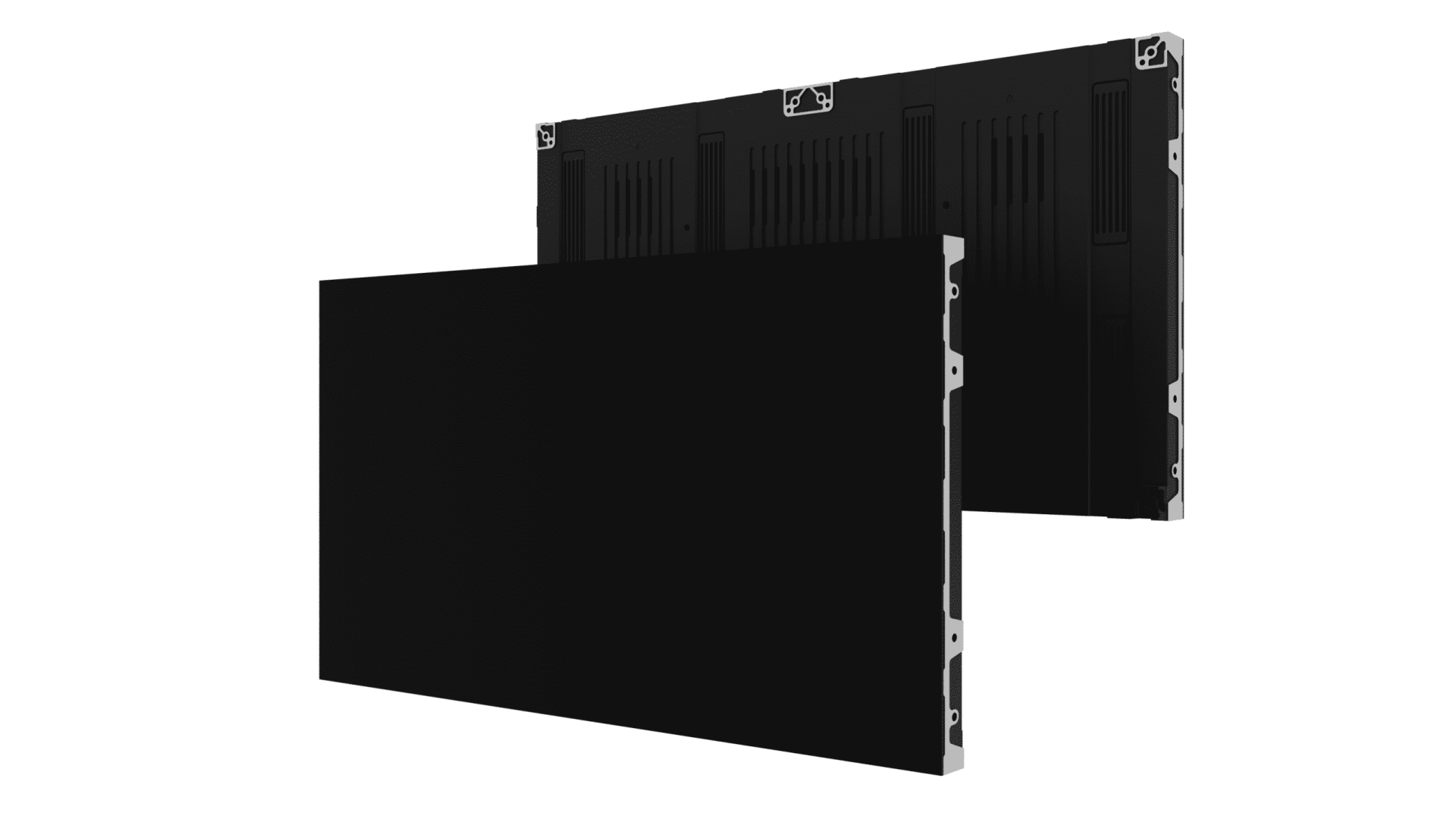
Axion Pro XL
0.6
COB![]()
0.7
COB![]()
0.9
SMD![]()
1.2
1.5
1.8
2.5
3.7
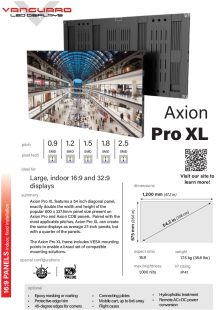
The Sirius series features a 54 inch diagonal panel, exactly double the width and height of the popular 600 x 337.5mm panel size present on Axion and Invictus panels. Paired with the most applicable pitches, Sirius can create the same displays as average 27-inch panels, but with a quarter of the panels. The Sirius frame includes VESA mounting points to
enable a broad set of compatible mounting solutions
Special Configuration
Add-ons & Accessories
Frequently Asked Questions
Larger LED panels cut down the total number of panels needed to build a screen. This makes installation easier, reduces possible visible seams, and boosts durability over time. The Sirius Series uses 54-inch diagonal panels making it possible to build big video walls with fewer cabinets.
Video is shot in a 16:9 native aspect ratio. The 16:9 aspect ratio for LED walls matches HD and 4K video formats that were shot in 16:9. Therefore there is no need to manipulate or adjust the content in any way. adding black bars or stretching it out. This is most advantageous for broadcast studios, live television newscasts and house of worship services that are being shot live with video cameras, and transmitted to the LED screens.
A 32:9 display aspect ratio provides for an ultra-wide shape. It combines two 16:9 screens placed next to each other. People use it to create immersive environments like command hubs, wraparound ads, or setups with multiple content windows.
Yes, when combined with fine pixel pitches big LED panels, like those in the Sirius Series, produce crisp and detailed images. They also have a smooth modular design with fewer no visible seams.
Having less panels can make installation quicker and lower the risk of alignment problems. Bigger panels like the 1200mm x 675mm Sirius modules help create a smooth display and cut down on failure points.